
How Often Should You Have an EICR? The Complete 2026 Guide
Introduction
If you’re wondering how often you should have an EICR, you’re not alone. Whether you’re a homeowner, landlord or business owner, regular electrical inspections are essential for keeping your property safe and ensuring your electrical installation remains in good condition.
In this ultimate guide, we’ll cover:
How often homeowners should have an EICR
How often landlords legally need an EICR
Recommended inspection intervals for commercial properties
Factors that may mean you need an EICR sooner
Signs you shouldn’t wait for your next inspection
By the end of this guide, you’ll know exactly when you should book an EICR, why the inspection interval matters, and how regular testing helps keep your property safe.
Table of Contents
What Is an EICR?
How Often Should Homeowners Have an EICR?
How Often Do Landlords Need an EICR?
How Often Should Businesses Have an EICR?
What Can Affect the Recommended Inspection Interval?
Signs You Shouldn’t Wait for Your Next EICR
Frequently Asked Questions
Final Thoughts
How Often Should You Have an EICR?-Key Takeaways
• Homeowners: Should typically have an EICR every 10 years, or sooner if recommended by a qualified electrician.
• Landlords: Are legally required to have an EICR at least every 5 years, or at the interval stated on the previous report.
• Commercial properties: Usually require an EICR every 5 years, although some premises may need more frequent inspections.
• Electrical issues: If you notice flickering lights, tripping circuits, burning smells or damaged electrical accessories, don't wait for your next inspection.
• Regular EICRs: Help identify potential electrical faults early, improve safety and ensure your electrical installation remains in good condition.
what is an EICR ?
An Electrical Installation Condition Report (EICR) is a detailed inspection of your property's electrical installation. It checks the condition of the wiring, consumer unit (fuse board), sockets, switches and other fixed electrical equipment to ensure they are safe and comply with current electrical safety standards.
During an EICR, a qualified electrician carries out a combination of visual inspections and electrical testing to identify signs of damage, deterioration, wear and tear or potential electrical hazards. Any issues found are recorded in the report along with recommendations for any remedial work that may be required.
Whether you're a homeowner, landlord or business owner, regular EICRs help ensure your electrical installation remains safe, reliable and fit for continued use.
How Often Should Homeowners Have an EICR?
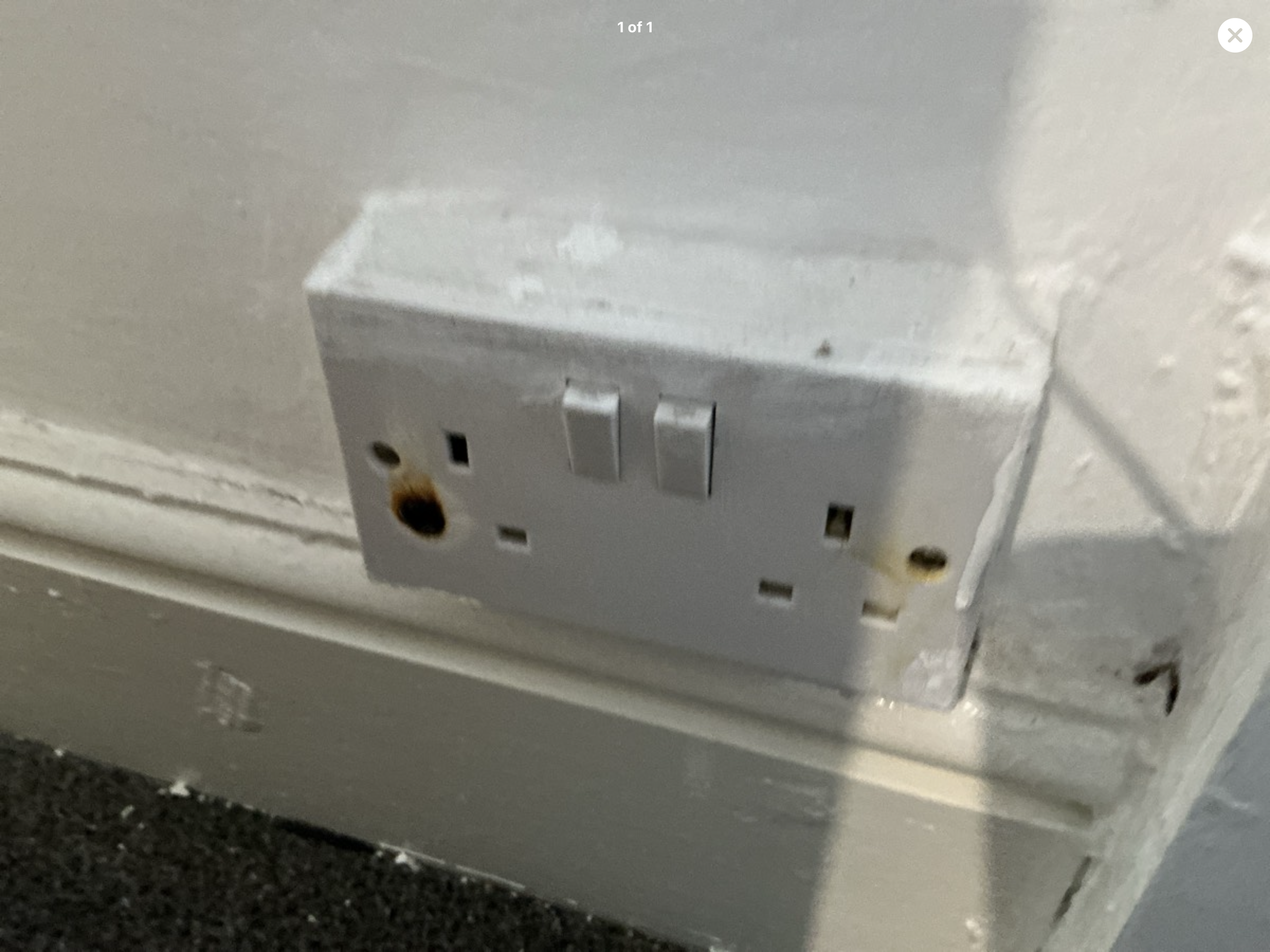
While there is no legal requirement for homeowners to have an Electrical Installation Condition Report (EICR), we recommend having your electrical installation inspected every 5 years to help identify wear and tear before it becomes a safety issue.
At a minimum, an EICR should be carried out when buying or selling a property, after major electrical alterations, or if you notice signs of electrical faults such as frequent tripping, flickering lights, damaged sockets or burning smells.
Electrical systems naturally deteriorate over time, and many faults cannot be seen during normal day-to-day use. An EICR provides a detailed assessment of your property’s wiring, consumer unit, sockets, switches and other fixed electrical equipment, helping to ensure everything remains safe and complies with current safety standards.
Regular inspections give you peace of mind, reduce the risk of electrical fires and electric shock, and can help prevent unexpected repair costs by identifying problems before they become more serious. If you’re unsure when your property was last inspected, CPB Electrical Installations can provide expert advice and carry out a professional EICR throughout Lutterworth and the surrounding areas.
How Often Should Landlords Have an EICR?
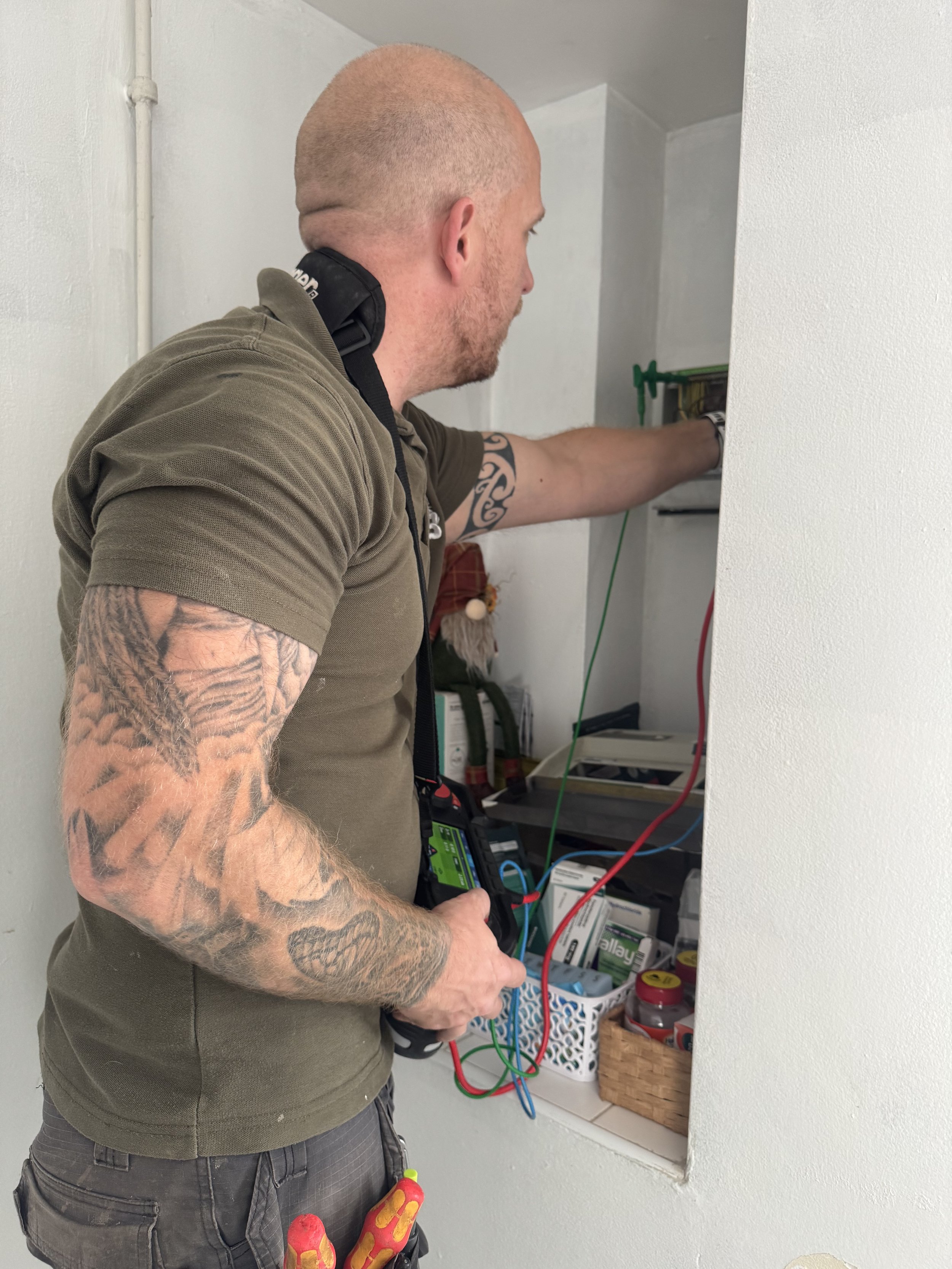
Landlords in England are legally required to have an Electrical Installation Condition Report (EICR) carried out at least every 5 years on their rental properties. A new inspection may also be required sooner if the previous report recommends a shorter inspection interval or before a new tenancy begins if the existing report has expired.
The purpose of an EICR is to ensure the property’s fixed electrical installation is safe for tenants. During the inspection, an electrician checks the condition of the wiring, consumer unit, sockets, switches and other fixed electrical equipment, identifying any defects that could present a risk.
Once the inspection has been completed, landlords must provide a copy of the report to new tenants before they move in, supply it to existing tenants within the required timescales, and carry out any remedial work identified in the report. Keeping your EICR up to date not only helps you comply with current regulations but also demonstrates that you are providing a safe home for your tenants.
CPB Electrical Installations carries out landlord EICRs across Lutterworth and the surrounding areas, providing clear reports and, where required, prompt remedial work to help you stay compliant.

How Often Should Commercial Properties Have an EICR?
Commercial properties should have an Electrical Installation Condition Report (EICR) carried out at regular intervals to ensure the electrical installation remains safe for employees, customers and visitors. In many cases, an EICR is recommended every 5 years, although the exact inspection interval depends on the type of premises, how the installation is used and the recommendations made in the previous report.
Workplaces often place greater demands on electrical systems than domestic properties. Regular inspections can identify damaged wiring, overloaded circuits, faulty protective devices and other issues before they become a safety hazard or lead to costly downtime.
An up-to-date EICR can also help businesses meet their responsibilities under health and safety legislation, satisfy insurance requirements and demonstrate that reasonable steps have been taken to maintain a safe electrical installation.
CPB Electrical Installations carries out commercial EICRs for offices, shops, warehouses, schools and other business premises throughout Lutterworth and the surrounding areas, providing detailed reports and practical advice where remedial work is required.
What Happens During an EICR?
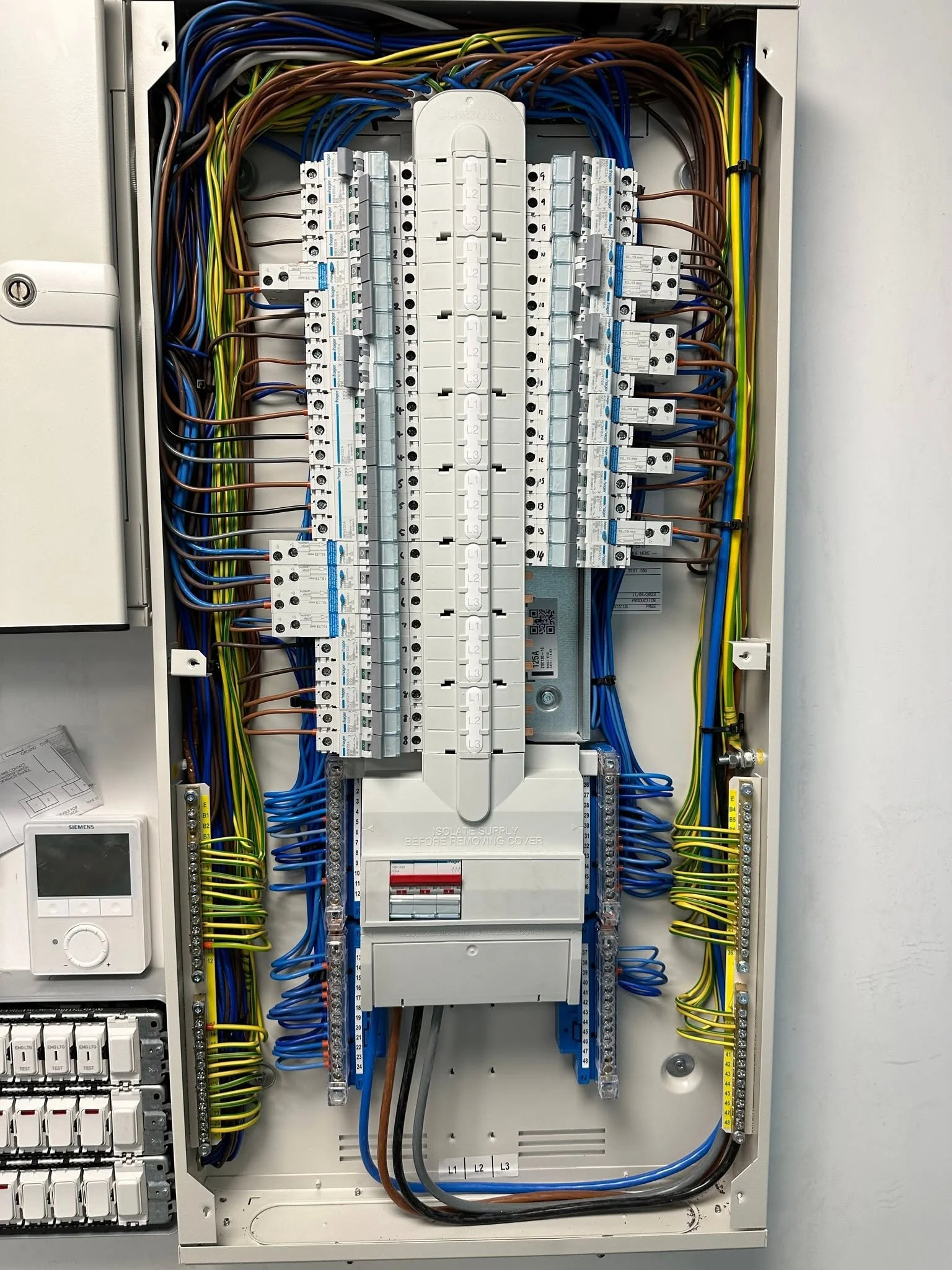
An Electrical Installation Condition Report (EICR) involves a thorough inspection and testing of your property’s fixed electrical installation. The aim is to identify any damage, deterioration, defects or non-compliances that could affect the safety of the installation.
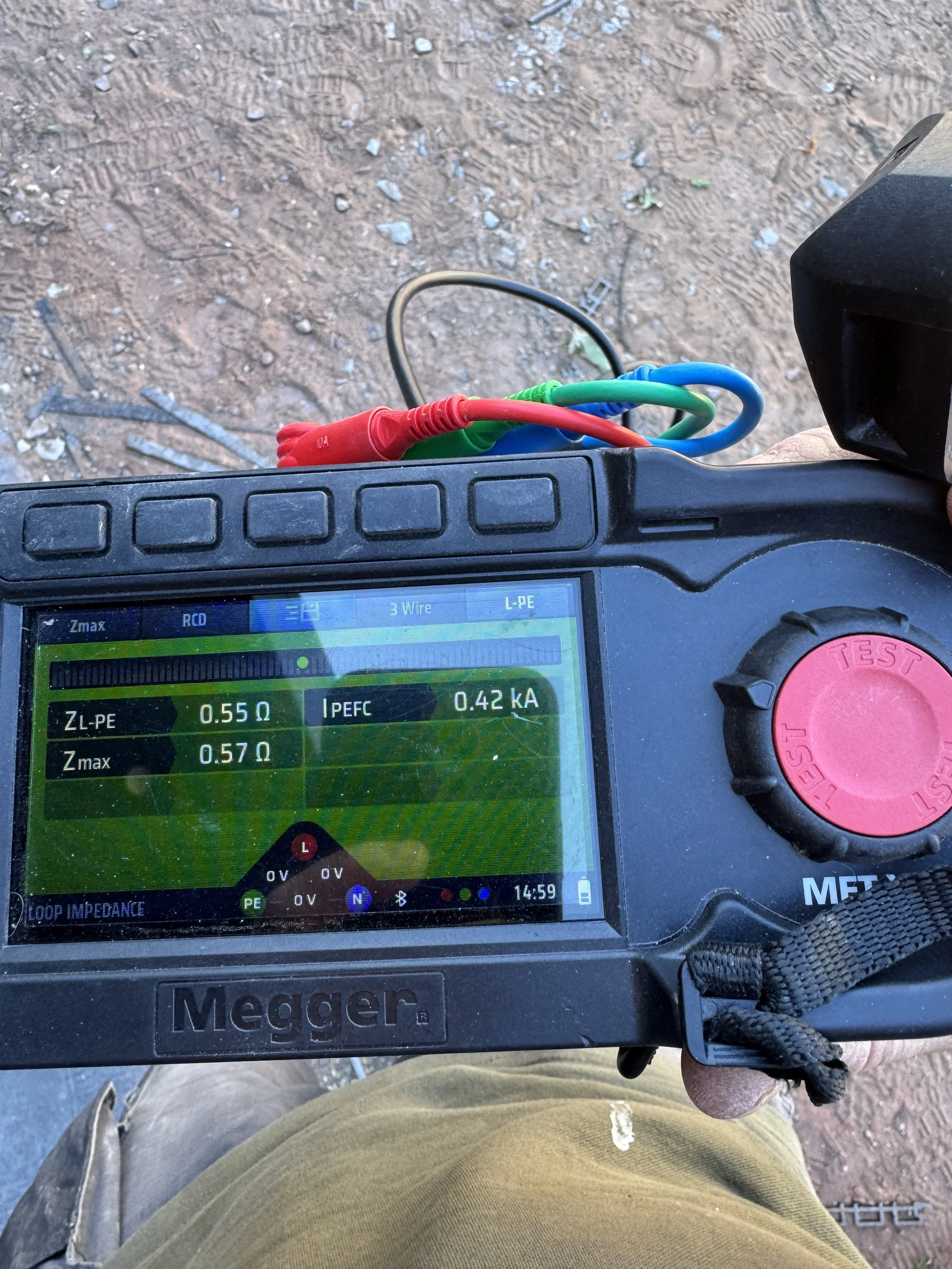
During the inspection, your electrician will check the condition of the consumer unit, wiring, sockets, switches, light fittings, protective devices, earthing and bonding. A series of electrical tests are also carried out to confirm that circuits are operating safely and that protective devices will disconnect the power correctly in the event of a fault.
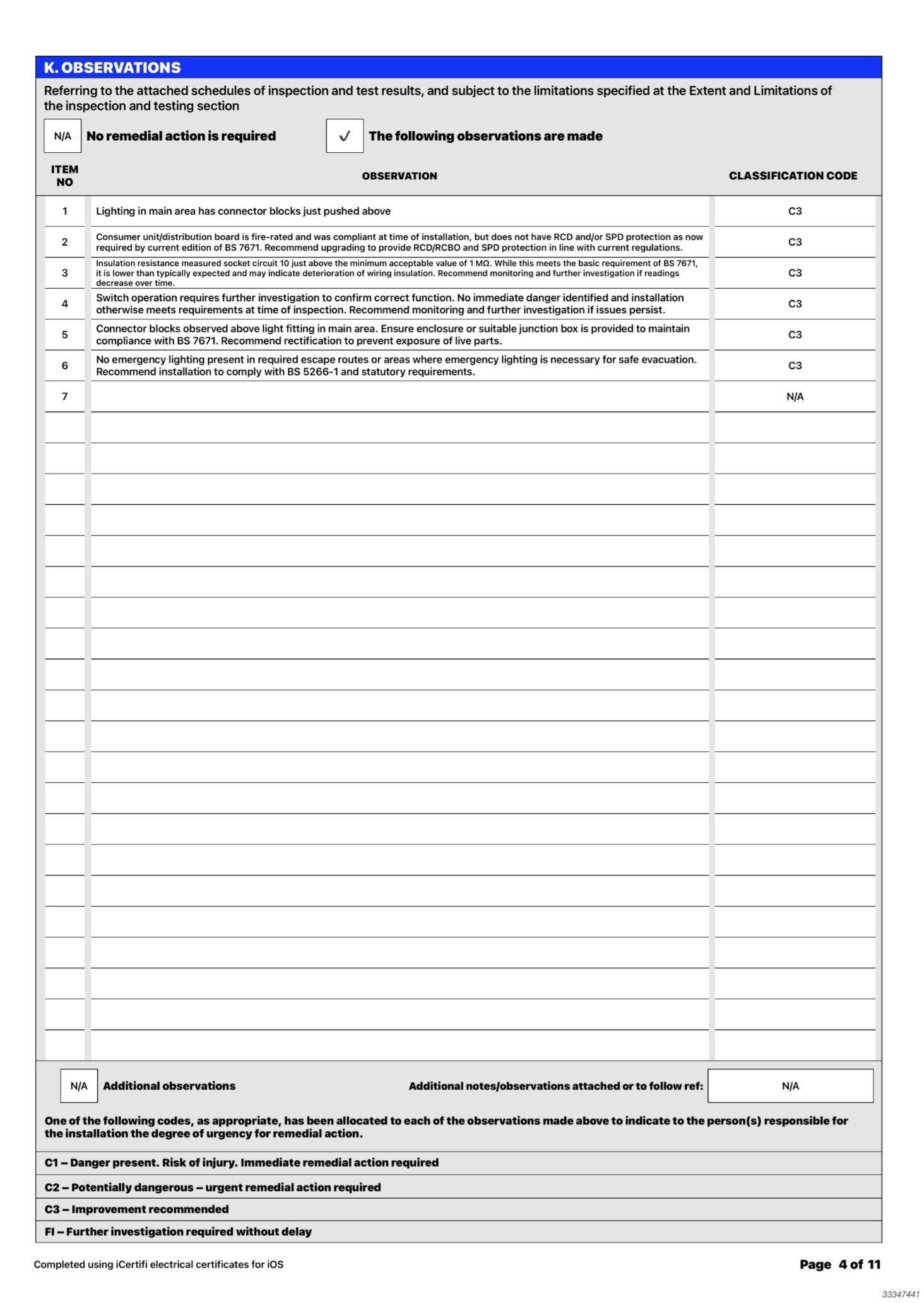
Once the inspection is complete, you’ll receive a detailed report outlining the condition of the installation. If any issues are identified, they will be classified using EICR observation codes and explained clearly, along with any recommended remedial work.
Most domestic EICRs can be completed within a few hours, although larger homes and commercial properties may take longer depending on the size and complexity of the electrical installation.
Understanding EICR Codes: C1, C2, C3 and FI
When an Electrical Installation Condition Report (EICR) is completed, any observations are given a classification code. These codes indicate the severity of the issue and whether remedial work is required to make the installation safe.
• C1 – Danger Present: There is an immediate risk of injury. The issue requires urgent action, and the electrician may make the installation safe before leaving the property.
• C2 – Potentially Dangerous: A fault has been identified that could become dangerous if left unresolved. Remedial work should be carried out as soon as possible.
• FI – Further Investigation Required: The electrician has identified something that requires additional investigation before the safety of the installation can be confirmed.
• C3 – Improvement Recommended: The installation is considered safe, but improvements are recommended to bring it closer to current standards. A C3 observation does not mean the EICR has failed.
An EICR will only achieve a Satisfactory result if there are no C1, C2 or FI observations. If any of these codes are present, the report will be classified as Unsatisfactory, and remedial work will normally be required before the installation can be considered safe.
why choose CPB Electrical installations for your EICR?
At CPB Electrical Installations, we carry out thorough, professional EICRs for homeowners, landlords and businesses across Lutterworth, Rugby, Hinckley, Market Harborough and the surrounding areas.
When you choose us, you can expect:
NAPIT registered electricians.
Clear, easy-to-understand reports with no unnecessary jargon.
Honest advice on any remedial work required.
Competitive, transparent pricing with no hidden costs.
Friendly, reliable service from a local electrician you can trust.
Whether you need an EICR for peace of mind, to meet landlord legal requirements or before buying or selling a property, we’re here to help.
Frequently Asked Questions About EICRs
How long does an EICR take?
The time required depends on the size of the property and the number of electrical circuits. A typical home usually takes between 2 and 4 hours, while larger or more complex properties may take longer.
Will the power need to be turned off?
Yes. The electricity will need to be isolated during parts of the inspection so we can safely carry out the required testing. We always aim to keep any disruption to a minimum.
What happens if my property fails the EICR?
If any issues are found, your report will explain them using the appropriate EICR code (C1, C2, C3 or FI). We’ll explain what the findings mean and provide a clear quotation for any remedial work if it’s required.
Can you carry out any remedial work?
Yes. If your EICR identifies faults that need correcting, we can complete the remedial work and, where appropriate, issue the relevant certification once the work has been completed.
Final Thoughts
An Electrical Installation Condition Report is one of the best ways to ensure your property’s electrical installation remains safe, reliable and compliant with current regulations. Whether you’re a homeowner wanting peace of mind, a landlord meeting your legal responsibilities or a business protecting staff and customers, regular electrical inspections are an investment in safety.
If you’re due an EICR or would like advice on the condition of your electrical installation, CPB Electrical Installations is here to help. We provide professional EICRs, honest advice and reliable electrical services throughout Lutterworth and the surrounding areas.While some electric shower issues can be resolved with basic troubleshooting, others require the expertise of a qualified electrician or plumber. If you're wondering, "why is my electric shower not working?", it may be time to seek professional help.
Need an EICR?
Contact CPB Electrical Installations today to book your Electrical Installation Condition Report. We’ll provide a thorough inspection, explain the results clearly and, if required, carry out any remedial work to help keep your property safe and compliant.
Whether you’re a homeowner, landlord or business owner, CPB Electrical Installations provides professional Electrical Installation Condition Reports (EICRs) across Lutterworth and the surrounding areas.
Our inspections are carried out thoroughly, with clear reports, honest advice and transparent pricing. If any issues are identified, we’ll explain them in plain English and discuss the best solution—without unnecessary upselling.
If you’re due an EICR or would like to arrange an inspection, get in touch today. We’ll be happy to answer any questions, provide a quotation and help ensure your electrical installation is safe, compliant and ready for the future.