
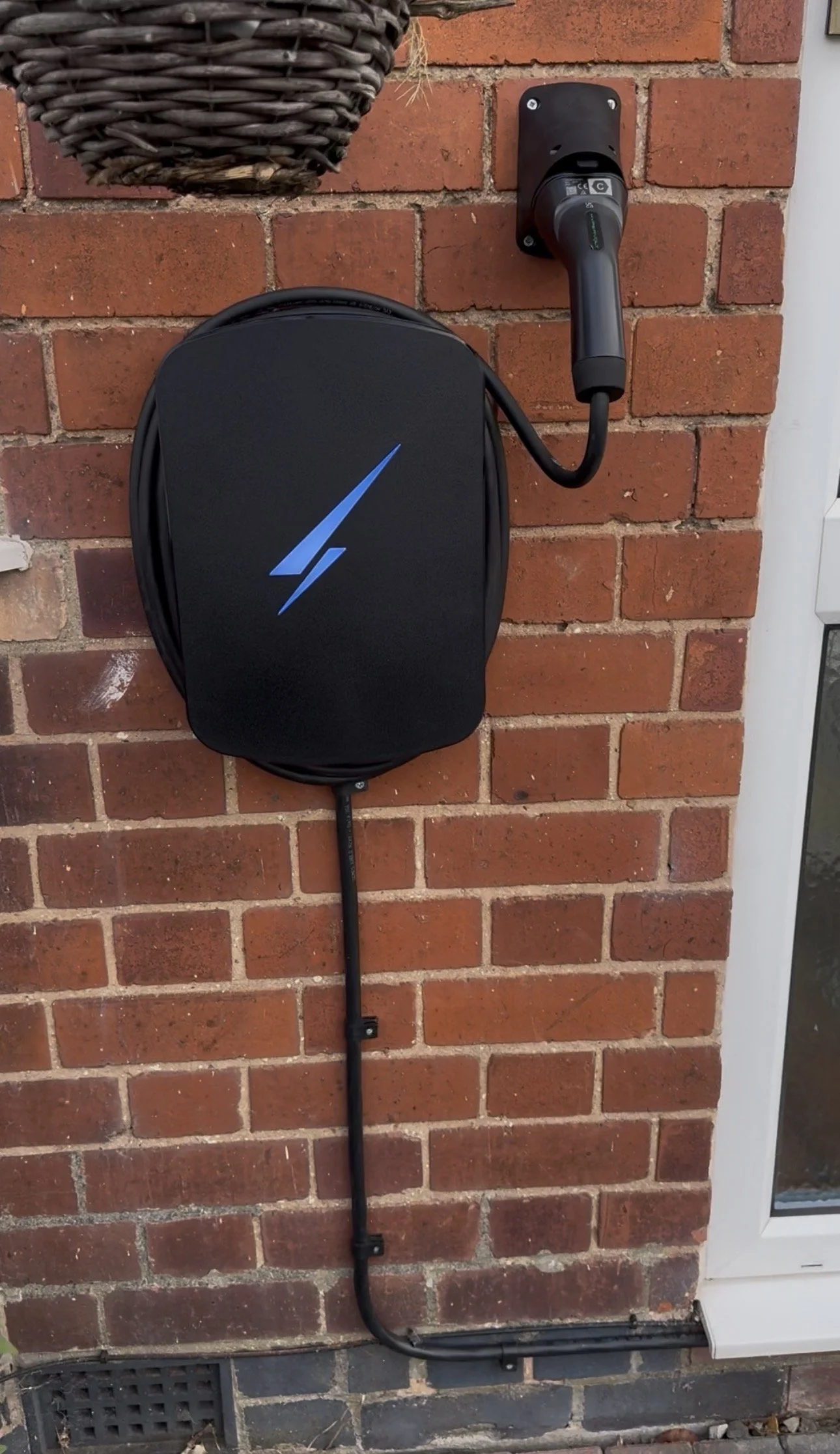
Installing a home EV charger is one of the most convenient ways to keep your electric vehicle charged and ready to go. Before installation day arrives, however, there are a few important things to consider to help the process run smoothly and ensure your charger can be installed safely.
In this guide, we'll explain what homeowners should check before arranging an EV charger installation, what an installer will assess during a survey, and when electrical upgrades may be needed.
What Should You Check Before Installing A Home EV Charger?
The good news is that most homes are suitable for an EV charger. However, every property is different, so a few simple checks beforehand can save time and help identify any additional work that may be required.
Some of the main things to consider include:
Where your vehicle is usually parked.
The distance between the parking space and your consumer unit.
The condition of your existing electrical installation.
Whether your fuse board meets current standards.
Your home's internet connection if you're choosing a smart charger.
An experienced installer will assess all of these during a site survey and recommend the most suitable solution for your property.
Where Will Your EV Charger Be Installed?
The location of the charger is one of the first decisions to make. Ideally, it should be positioned where your vehicle can be connected easily without creating unnecessary trip hazards or requiring excessively long charging cables.
Many homeowners choose to install their charger:
On an external wall close to the driveway.
Inside an attached garage.
Beside a designated parking space.
The best location will depend on your property's layout, cable routing options and how you normally park your vehicle.
Is Your Consumer Unit Suitable?
One of the most important parts of preparing for an EV charger installation is ensuring your electrical system can safely support the additional load.
Your installer will inspect your consumer unit, often referred to as a fuse board, to check that it complies with current wiring regulations and has sufficient capacity for the new circuit.
Older consumer units may not provide the level of protection required for a modern EV charger. In these situations, aFuse Board Upgrade may be recommended before installation can proceed.
This isn't always necessary, but it's something that should always be assessed by a qualified electrician.
Think About Your Daily Charging Routine
Different households use their vehicles in different ways, so it's worth thinking about how you intend to charge your car before choosing a charger.
Questions to consider include:
Will you mainly charge overnight?
Will more than one electric vehicle need charging?
Do you want to schedule charging during off-peak electricity tariffs?
Would you benefit from app-controlled smart charging?
Answering these questions beforehand can help you choose a charger that suits both your lifestyle and future requirements.
Make Sure Your Wi-Fi Signal Reaches The Charger
Many modern EV chargers include smart features such as remote scheduling, energy monitoring and software updates.
If you're planning to install a smart charger, it's worth checking whether your home's Wi-Fi signal reaches the proposed installation location. A weak signal won't usually prevent installation, but improving connectivity can help you make full use of your charger's features.
Will Additional Electrical Work Be Required?
While many installations are straightforward, some properties may require additional electrical work before an EV charger can be installed safely.
Examples include:
Upgrading an older consumer unit.
Installing a new dedicated circuit.
Improving earthing arrangements.
Carrying out remedial electrical work identified during testing.
If your property's wiring is significantly outdated, your electrician may also recommend further investigation or, in some cases, a partial or fullHouse Rewire.
These recommendations are made to ensure your installation complies with current safety standards and operates reliably for years to come.
What Happens During An EV Charger Survey?
Before installation, a qualified electrician will normally carry out a survey to assess your property and determine the most appropriate installation method.
This typically includes:
Inspecting the consumer unit.
Assessing the property's electrical capacity.
Identifying the safest cable route.
Confirming the best charger location.
Discussing your charging habits and preferred charger options.
Explaining any additional work that may be required.
A survey also gives you the opportunity to ask questions and understand exactly what the installation will involve before any work begins.
A Simple EV Charger Preparation Checklist
Before your installation appointment, it's helpful to make sure you have:
A suitable parking space for your vehicle.
Easy access to your consumer unit.
An idea of where you'd like the charger positioned.
Information about your internet connection if choosing a smart charger.
Any questions you'd like to discuss with your installer.
Taking a little time to prepare can make the installation process quicker and more straightforward.
Frequently Asked Questions
Do I need a new fuse board before installing an EV charger?
Not always. Many modern consumer units are already suitable, but older installations may require upgrading. Your electrician will assess this during the survey.
Can an EV charger be installed inside a garage?
Yes. Many homeowners choose to install chargers inside garages, provided the location is suitable and complies with current electrical regulations.
How long does an EV charger installation usually take?
Most domestic installations are completed within a day, although additional electrical work may increase the overall timescale.
Can I choose where the charger is installed?
Yes. Your preferred location will always be considered, although your electrician may recommend an alternative position if it provides a safer or more practical installation.
Planning Ahead Makes Installation Easier
Preparing your home before arranging an EV charger installation can help avoid unnecessary delays and ensure your new charger is installed safely and efficiently. By thinking about parking, electrical capacity and your future charging needs, you'll be well prepared for a smooth installation.
If you're considering installing a home EV charger and would like professional advice, the team at CPB Electrical Installations can assess your property and recommend the most suitable solution. Find out more about ourEV Charger Installations service orcontact us to discuss your requirements.