
Why Electrical Testing & Certification Are Essential After Installation Work
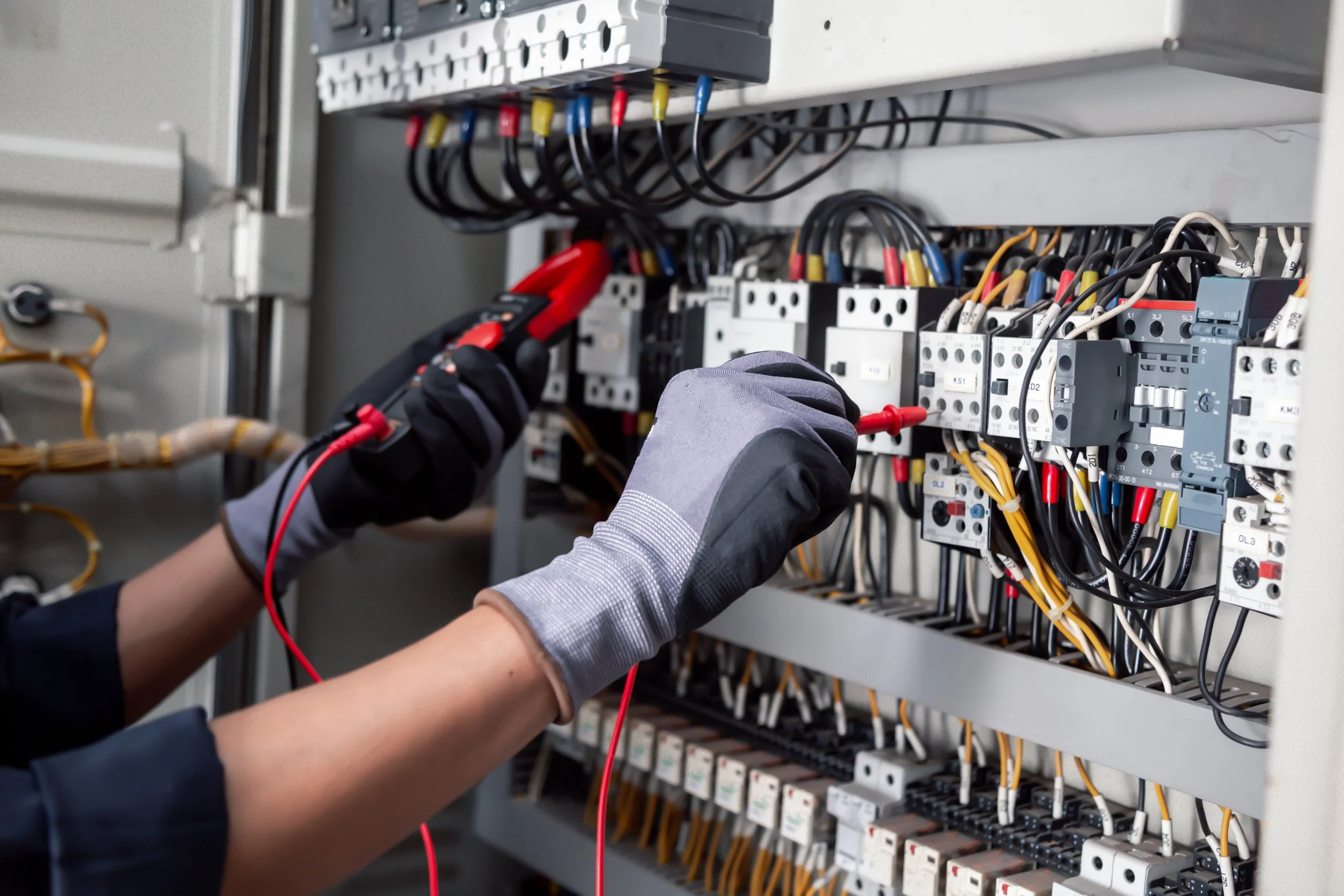
Electrical testing and certification are one of the most important parts of any installation job. It confirms that the work has been checked, is safe to use, and has been completed in line with the relevant standards.
Whether you are having a new circuit fitted, a fuse board upgraded, a home rewired, or an EV charger installed, the visible finish is only part of the job. Proper testing helps prove that the installation is working correctly behind the scenes, while certification gives you written evidence that the work has been completed properly.
The Key Point For Homeowners & Businesses
Electrical work should not be considered complete until it has been inspected, tested, and certified where required.
Testing checks that the installation is safe and functioning correctly. Certification records the results and provides formal documentation for the customer, landlord, insurer, future buyer, or property manager.
For larger work, such as new circuits, consumer unit replacements, rewires, and many commercial installations, certification is not just a nice extra. It is an essential part of safe and compliant electrical work.
What Is Electrical Testing After Installation Work?
Electrical testing is the process of checking that an installation is safe, correctly wired, and suitable for use.
This usually involves a combination of visual inspection and technical testing. The exact tests depend on the type of work carried out, but they may check:
Whether circuits are correctly connected
Whether protective devices operate as intended
Whether earthing and bonding arrangements are suitable
Whether cables and accessories are safe for use
Whether insulation resistance is acceptable
Whether polarity is correct
Whether fault protection is adequate
These checks help identify issues that may not be visible from the outside. A socket, light fitting, charger, or consumer unit may look neat, but testing is what confirms whether the installation is electrically safe.
What Does Electrical Certification Prove?
Electrical certification provides a formal record of the work and the test results.
Depending on the type of work, this may include an Electrical Installation Certificate, a Minor Electrical Installation Works Certificate, or another relevant document. These certificates help show that the work has been inspected, tested, and completed in line with the applicable requirements.
Certification can be important for:
Homeowners keeping records of completed work
Landlords proving compliance
Businesses maintaining health and safety documentation
Property sales and conveyancing
Insurance queries
Future electrical inspections
Planned renovations or upgrades
For domestic properties, Part P of the Building Regulations relates to electrical safety in dwellings and sets out requirements for safe electrical work. GOV.UK provides official guidance onApproved Document P, while the Health and Safety Executive provides guidance aroundelectrical safety at work.
Why Testing Matters Even When The Work Looks Finished
It is easy to assume that electrical work is complete once the accessories are fitted and the power is back on. In reality, the final testing stage is what confirms the installation is safe to use.
Skipping proper testing can leave hidden issues behind, such as:
Incorrectly connected conductors
Poor earth continuity
Faults that could cause repeated tripping
Inadequate circuit protection
Overloaded or unsuitable circuits
Unsafe installations that are difficult to spot visually
This is especially important when electrical work is hidden behind walls, under floors, in loft spaces, or inside consumer units.
A tidy installation matters, but safe testing and accurate certification matter just as much.
When Should You Expect An Electrical Certificate?
You should expect certification when electrical work involves new installations, significant alterations, or work that needs formal recording.
Common examples include:
Fuse Board Upgrades
A modern consumer unit upgrade involves critical safety components such as RCDs or RCBOs. Once fitted, the circuits need to be tested properly to confirm the new board is operating safely.
If you are planning this type of work, ourfuse board upgrades page explains when a replacement may be needed and what the process involves.
House Rewires
A full or partial rewire changes major parts of a property’s electrical system. Testing and certification are essential because the new wiring, circuits, accessories, earthing, bonding, and protection all need to be checked before the installation is signed off.
You can find more information about this type of project on ourhouse rewires page.
EV Charger Installations
EV chargers place a specific electrical demand on a property. Installation needs to be assessed, connected, tested, and documented properly so the charger can operate safely.
For homeowners considering a charger, ourEV charger installations page covers the service in more detail.
New Circuits Or Electrical Alterations
New circuits, extensions, outdoor power, garden rooms, commercial additions, and certain alterations may all require testing and certification.
Even smaller works may need a Minor Electrical Installation Works Certificate, depending on what has been changed.
Electrical Installation Certificate Vs EICR
One common area of confusion is the difference between an Electrical Installation Certificate and an EICR.
An Electrical Installation Certificate is usually issued after new electrical installation work, additions, or alterations. It relates to the work that has just been completed.
An EICR, or Electrical Installation Condition Report, is different. It is an inspection of an existing electrical installation to assess its current condition. It is not the same as certification for new work.
In simple terms:
An Electrical Installation Certificate records new installation work
A Minor Works Certificate records certain smaller alterations
An EICR checks the condition of an existing installation
If you are unsure which document you need, a qualified electrician can explain what applies to your property and the type of work being carried out.
Why Certification Matters For Landlords
Landlords have extra responsibilities when it comes to electrical safety.
Certification and inspection records can help show that electrical work has been completed properly and that the installation has been checked by a competent person. This is especially important for rental properties, where documentation may be needed for compliance, insurance, tenant safety, or managing agents.
If a landlord has recently had electrical work carried out, keeping the correct paperwork is just as important as keeping the invoice.
Why Certification Matters For Businesses
For businesses, electrical documentation supports health and safety management.
Commercial premises often rely on more complex electrical systems, including lighting, distribution boards, machinery, equipment, data infrastructure, emergency lighting, and higher-load circuits.
Testing and certification can help business owners and duty holders:
Maintain safer premises
Support insurance requirements
Keep records for audits or inspections
Reduce the risk of unexpected faults
Plan future maintenance properly
Demonstrate a responsible approach to electrical safety
The HSE explains that duty holders have responsibilities under the Electricity at Work Regulations, which makes proper electrical safety management especially important for workplaces.
For business projects, CPB Electrical Installations providescommercial electrical works andindustrial electrical works with safety, planning, and compliance at the centre of the process.
What Can Happen If Work Is Not Properly Tested?
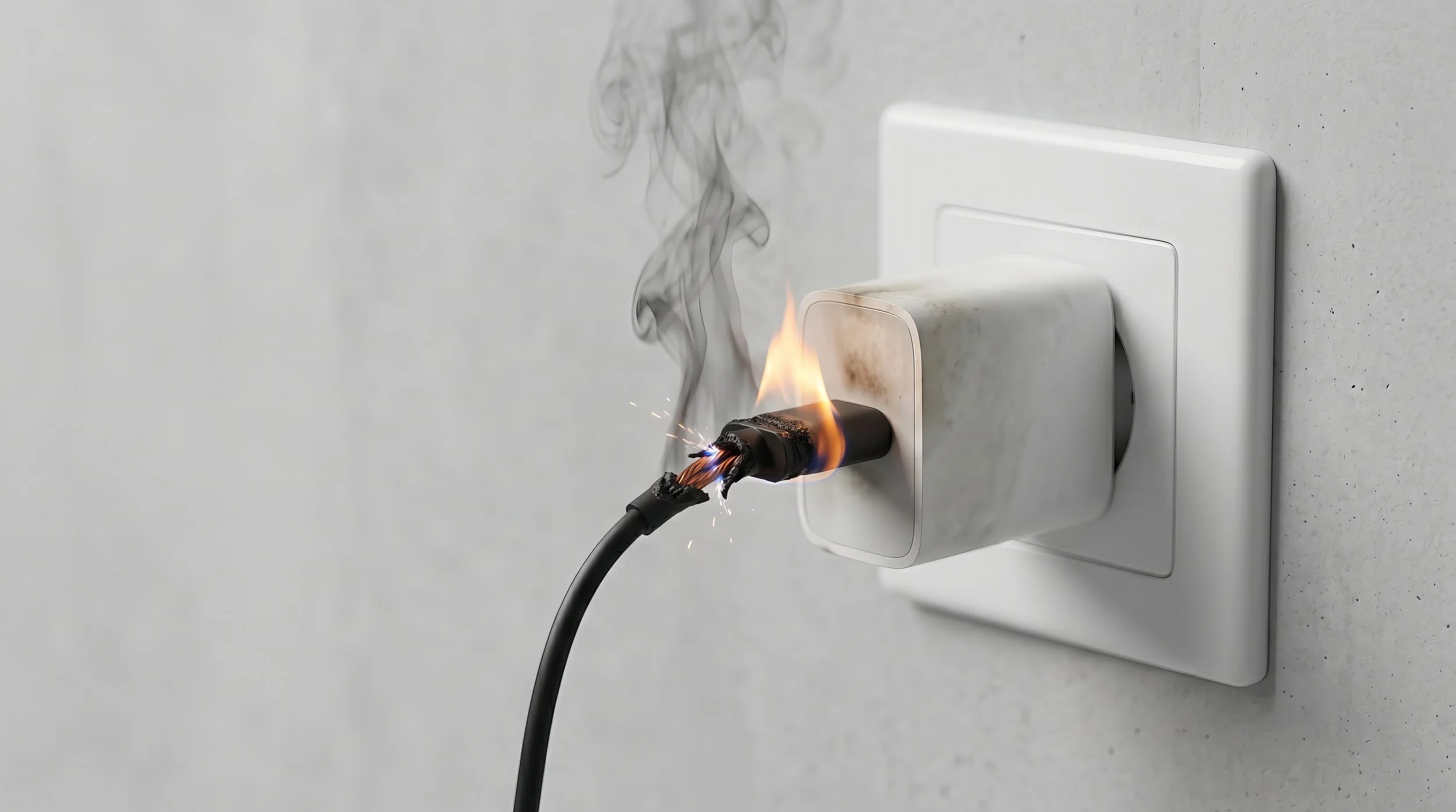
Electrical work that has not been properly tested can create avoidable risks.
Possible issues include:
Repeated tripping
Overheating accessories
Damaged appliances
Unreliable circuits
Electric shock risks
Increased fire risk
Problems during property sales
Insurance complications
Difficulty proving compliance later
In some cases, poor installation work may not become obvious immediately. It may only appear when more demand is placed on the system or when another electrician inspects it later.
This is why testing should never be treated as optional or rushed.
What Should You Ask Your Electrician Before Work Starts?
Before agreeing to electrical installation work, it is sensible to ask a few clear questions:
Will this work be tested after installation?
What certificate will I receive?
Is the work notifiable under Building Regulations?
Are you registered with a competent person scheme?
Will the work comply with current wiring regulations?
Do you carry suitable insurance?
Will you explain any issues found during testing?
A professional electrician should be able to answer these questions clearly.
NAPIT advises consumers that registered scheme members can certify their own work where applicable, which can help simplify the process for customers.
How CPB Electrical Installations Approaches Testing & Certification
At CPB Electrical Installations, testing and certification are built into the way we work.
Every project is approached with safety, compliance, and long-term reliability in mind. That means assessing the property, planning the work carefully, completing the installation to a high standard, and carrying out the relevant testing before the job is signed off.
This applies across domestic, commercial, and industrial work, from smaller alterations through to larger installations.
Our How We Work page explains the process in more detail, including enquiry, assessment, quotation, installation, testing, certification, and ongoing support.
Frequently Asked Questions
-
Not every small electrical task requires the same type of certificate, but installation work, alterations, new circuits, consumer unit replacements, and many larger jobs should be tested and documented. Your electrician should explain what applies before the work starts.
-
Electrical certificates should be issued by a competent electrician who has inspected and tested the work. For notifiable domestic work, using a registered electrician can help ensure the correct certification and notification process is followed.
-
No. An EICR checks the condition of an existing electrical installation. An Electrical Installation Certificate records new installation work or significant alterations that have just been completed.
-
Yes, a fuse board or consumer unit upgrade should be tested and certified because it affects the safety and protection of the electrical installation.
-
Yes. Keep electrical certificates with your property records. They may be useful for future inspections, insurance, landlord compliance, renovations, or when selling the property.
The Best Next Step After Electrical Installation Work
Electrical testing and certification provide reassurance that installation work has been completed safely, correctly, and professionally. It protects property owners, supports compliance, and helps prevent hidden electrical issues from becoming bigger problems later.
If you are planning electrical work and want clear advice about testing, certification, or compliance, CPB Electrical Installations can help you understand what is required for your property.
For practical advice or a quotation, contact CPB Electrical Installations and speak with an experienced, NAPIT-certified electrician.